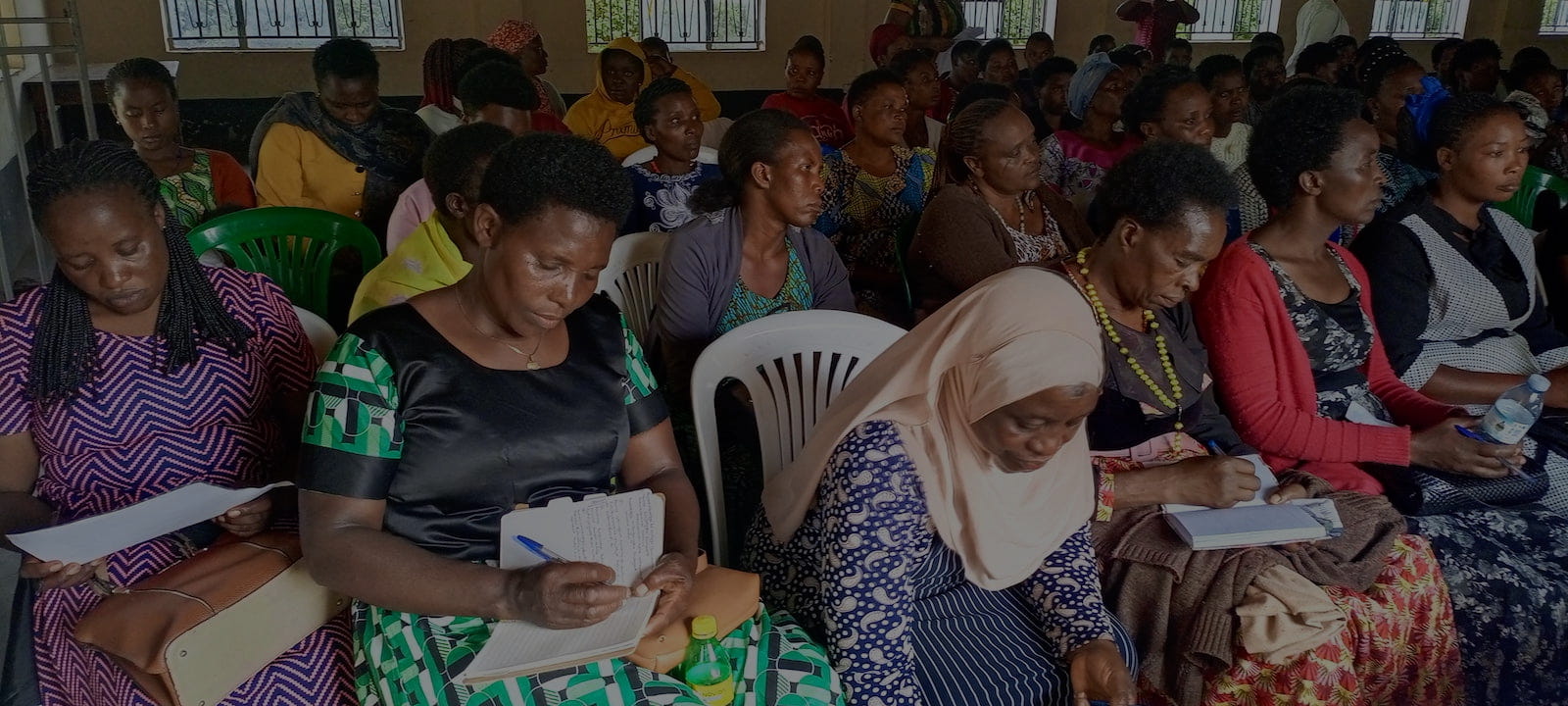
Working with local governments and communities
We work with local governments and communities to plan and budget for actions that address GBV
AGEBAV is actively working to address gender inequality, the abuse of power and harmful norms. Gender-based violence is one of the most prevalent human rights violations in Uganda. Gender-Based violence knows no social, economic or national boundaries...
READ MOREGender inequality and the norms and beliefs that violence against women and girls is acceptable, cause gender-based violence. There are also many factors that increase the risk of GBV, with women and girls living through crises experiencing an increase in both the...
READ MOREGender-based violence undermines the health, dignity, security and autonomy of its victims, yet it remains shrouded in a culture of silence. AGEBAV supports survivors of gender-based violence who are at risk with crucial protection services...
READ MORE
Advocates against Gender Based Violence (AGEBAV) is feminist network to address Gender Based Violence in Uganda. Gender-Based Violence (GBV) is a feminist issue. This is because it is not merely an act of random violence, but a systemic, structural, and political phenomenon rooted in patriarchy, gender inequality and the abuse of power.
GBV which disproportionately affects women, girls and gender-diverse people is used to maintain unequal power relations, enforcing traditional gender norms and keeping women subordinate to men. We have a moral imperative to stop all forms of violence against women and girls, regardless of their backgrounds, experiences or identities.
A society free of Gender-Based Violence, with empowered women and girls
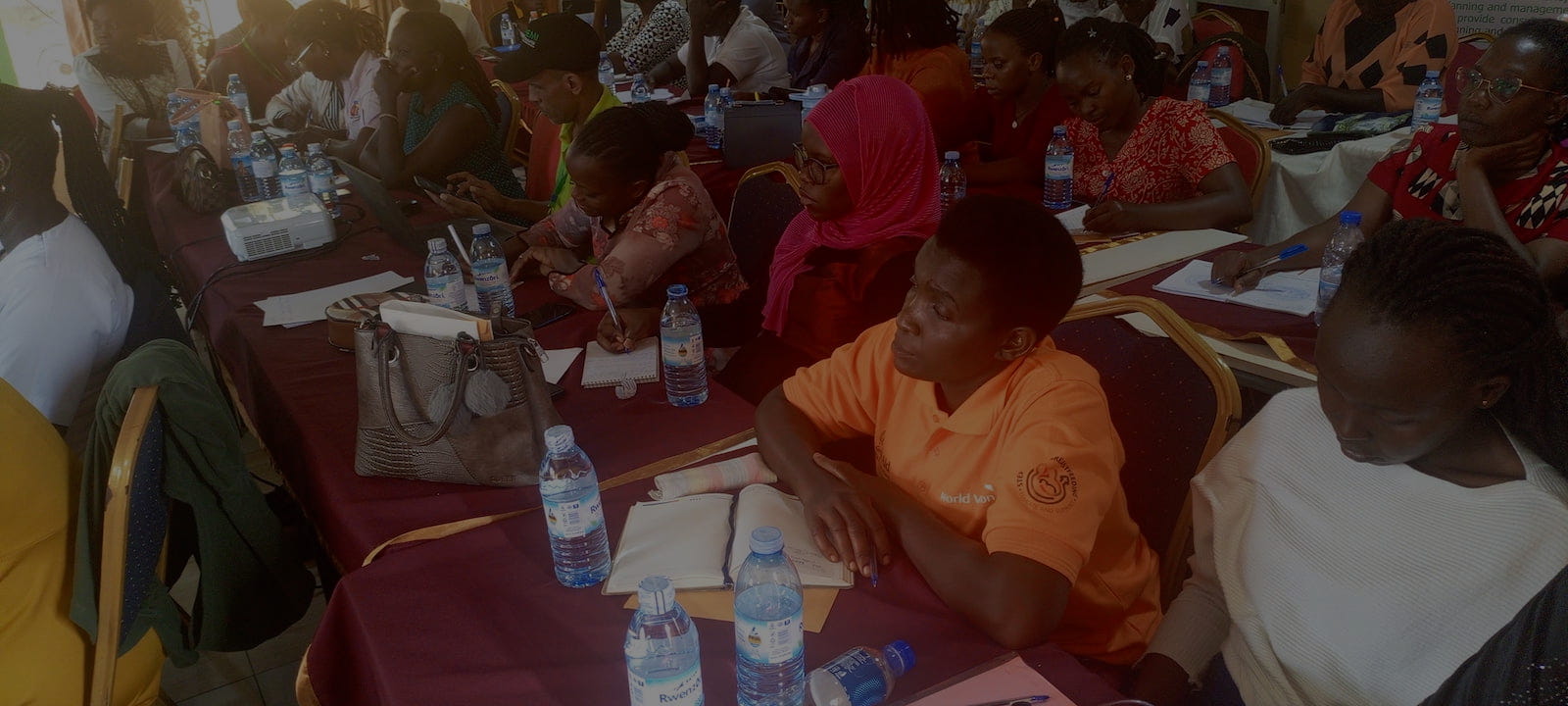
To empower Women Human Rights Defenders and groups working to prevent and respond to GBV and champion SGBV prevention and reporting efforts at the community level through close collaboration with the GBV service providers.
When families are pushed into poverty, harmful practices like child marriages increase.
A collapse of community structure and the rule of law means women can find themselves without social support and protection systems in violent situations
Rising numbers of conflicts in East Africa are driving an increase in conflict-related sexual violence (CRSV)
Women living in refugee camps and other temporary accommodation can face safety issues that put them at greater risk
Intimate partner violence is the most common form of violence women experience in humanitarian settings.
Patriarchal views, rigid gender stereotypes, and social acceptance of violence contribute to unequal power relations.